
Best Time to Visit Kenya for Safari: A Month-by-Month Guide
Kenya straddles the equator, giving it a surprisingly diverse climate across its regions. Rather than the traditional four seasons, Kenya operates on two key safari seasons: the dry season and the wet season — each offering a completely different experience. Choosing the best time to visit Kenya for safari depends entirely on what you want to see and experience.
June to October: The Peak Dry Season (Best Overall)
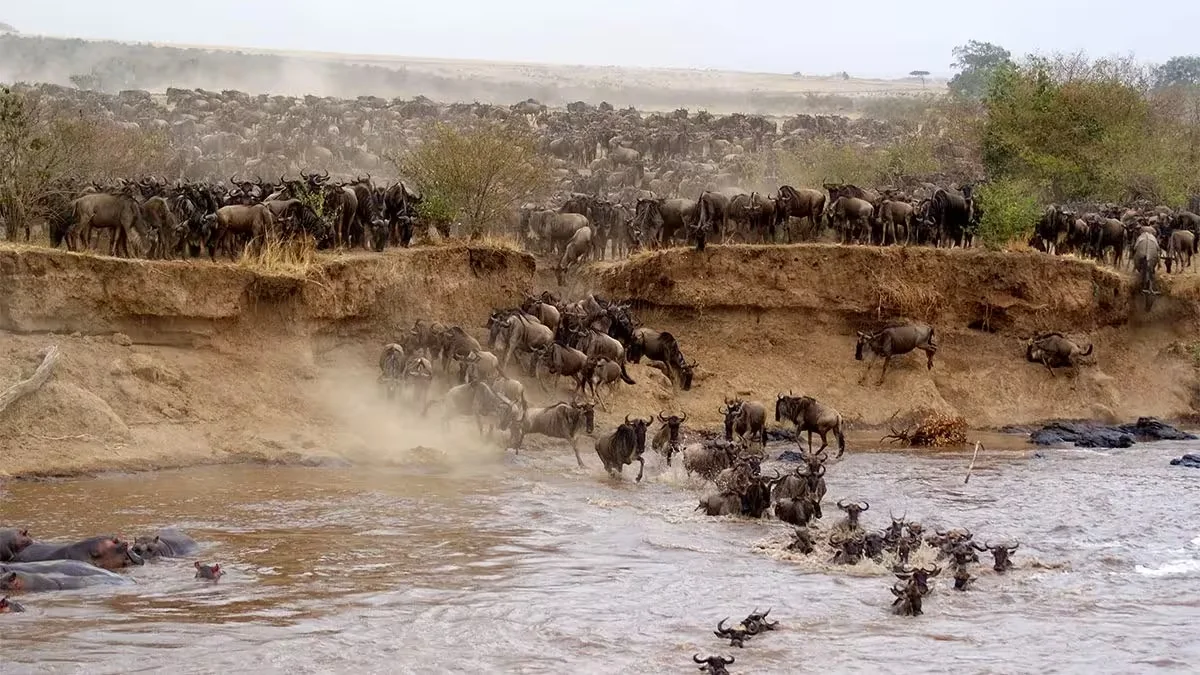
June through October represents Kenya's long dry season and is widely regarded as the best time to go on a Kenya safari. Rainfall is minimal, vegetation is sparse, and animals congregate around rivers and waterholes — making them incredibly easy to spot. This is also the prime window for witnessing the world-famous Great Wildebeest Migration, which peaks between July and September in the Maasai Mara ecosystem.
Related Reading
Learn everything about the Great Migration — timing, camps, and what to expect on the ground.
Read: The Great Migration Guide →Temperatures during the dry season are pleasant — averaging 20–28°C — making game drives comfortable. This is peak tourist season and the Maasai Mara can become busy, so booking camps and safari packages at least 6–12 months in advance is essential.
January and February: The Short Dry Season (Hidden Gem)
Often overlooked, January and February offer a fantastic short dry season before the long rains arrive. Temperatures are hotter (25–32°C), but wildlife viewing is excellent. Amboseli National Park is particularly spectacular in January, when elephants forage against the backdrop of snow-capped Kilimanjaro. This period also sees fewer tourists than the June–October peak, meaning more exclusive game viewing experiences.
"The early morning light in January over Amboseli, with Kilimanjaro fully clear and elephant herds in the foreground, is the finest photographic moment in Africa."
— Elabush Lead Guide
November and December: Short Rains (Scenic and Quiet)
November and early December bring the short rains — typically shorter, sharper afternoon showers that transform the savanna into a lush green paradise. This is a beautiful time for photography, with dramatic storm skies and verdant landscapes. Bird watching reaches its peak as migratory species arrive. Shoulder season also offers better rates and fewer crowds, making it a well-kept secret among seasoned safari travellers.
March to May: Long Rains (Budget Season)
The long rains arrive in March and intensify through April and May. Roads in some parks become impassable and certain camps close. However, this is Kenya's most affordable safari season — operators typically reduce prices by 30–50%. Parks are virtually empty, the grass is lush, newborn animals abound, and dramatic skies create unforgettable photographic opportunities. The southern circuit parks (Amboseli, Tsavo) tend to remain more accessible during the rains.
Plan Your Perfect Safari
Our team can help you find the right timing for your budget, goals, and travel dates.
Browse Our Safari Packages →Quick Month-by-Month Summary
Jan–Feb: Short dry season. Hot, great wildlife, fewer crowds. Best for Amboseli and Samburu. Mar–May: Long rains. Lush, uncrowded, budget-friendly — best avoided by first-timers. Jun–Oct: Peak season. Best overall wildlife viewing. Great Migration Jul–Sep. Book early. Nov–Dec: Short rains. Beautiful scenery, top bird watching, lower prices.
Topics
Visual Journal
Photo Gallery



Quick answers about this safari topic
Continue Reading
Related Articles


Your Adventure Awaits
Ready to Experience Kenya for Yourself?
Let our expert team craft a personalised itinerary tailored to your interests, travel dates, and budget.