
Kenya vs Tanzania Safari: Which Is Right for You in 2026?
Kenya and Tanzania share the Serengeti-Mara ecosystem, making them the heartland of African safari travel. Together they host the world's greatest wildlife spectacle — the annual Great Wildebeest Migration — and between them they protect some of the continent's most iconic landscapes. But while they sit side by side on the map, a Kenya safari and a Tanzania safari offer meaningfully different experiences. Choosing the right destination depends on your priorities, budget, travel dates, and travel style.
The Great Migration: Timing Is Everything
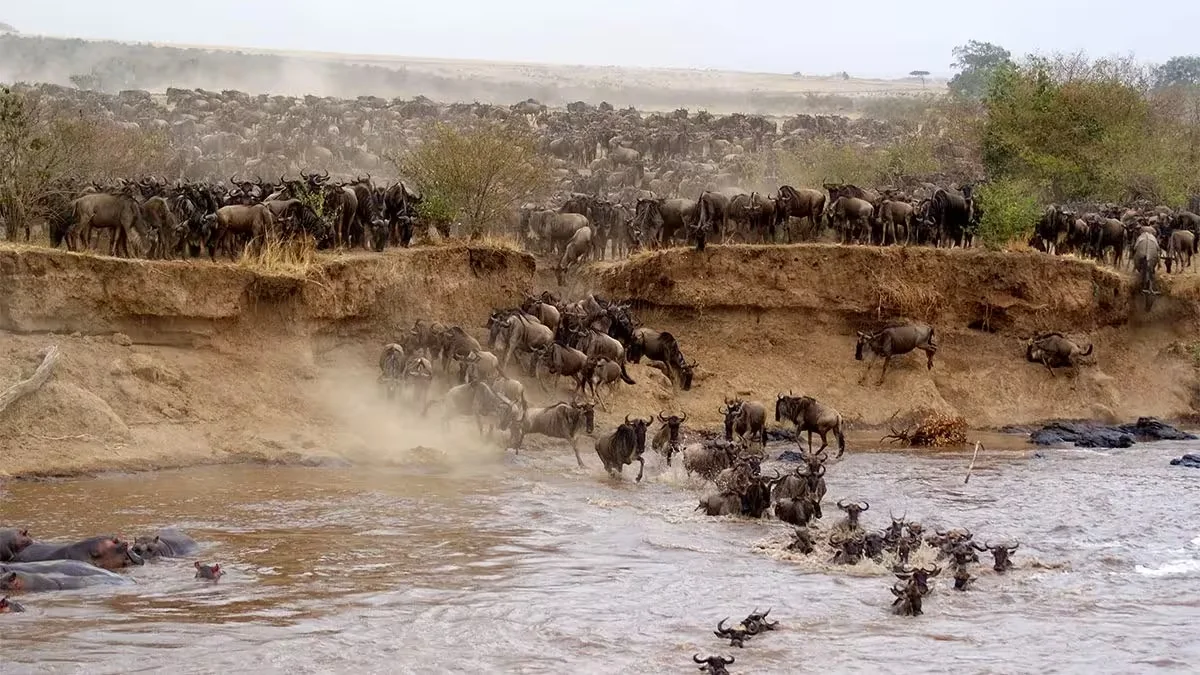
The single biggest factor when choosing between Kenya and Tanzania is the Great Migration timeline. The million-strong wildebeest herd moves in a continuous annual circuit across both countries. Tanzania's Serengeti hosts the calving season (January–March) and the dramatic Grumeti River crossings (June–July). Kenya's Maasai Mara hosts the iconic Mara River crossings — often considered the most dramatic phase — from late July through October. If you're travelling between August and October, Kenya's Mara is your best bet. For December through March, Tanzania's southern Serengeti is the place to be.
Great Migration in Kenya
Learn exactly when and where to witness the dramatic Mara River crossings in the Maasai Mara.
Read: The Great Migration Guide →Price Comparison: Kenya vs Tanzania
Tanzania's national park fees are generally higher than Kenya's — Serengeti and Ngorongoro charge $60–70 USD per person per day in park fees alone. Conservation area fees add substantially to overall costs. Kenya's park fees (around $80 USD per day for the Maasai Mara) tend to result in more affordable overall safari packages. For budget-conscious travellers, Kenya often represents the more accessible option. Tanzania's Ngorongoro Crater — arguably the world's finest Big Five destination — commands a premium many consider absolutely worth it.
Wildlife Diversity & Exclusivity
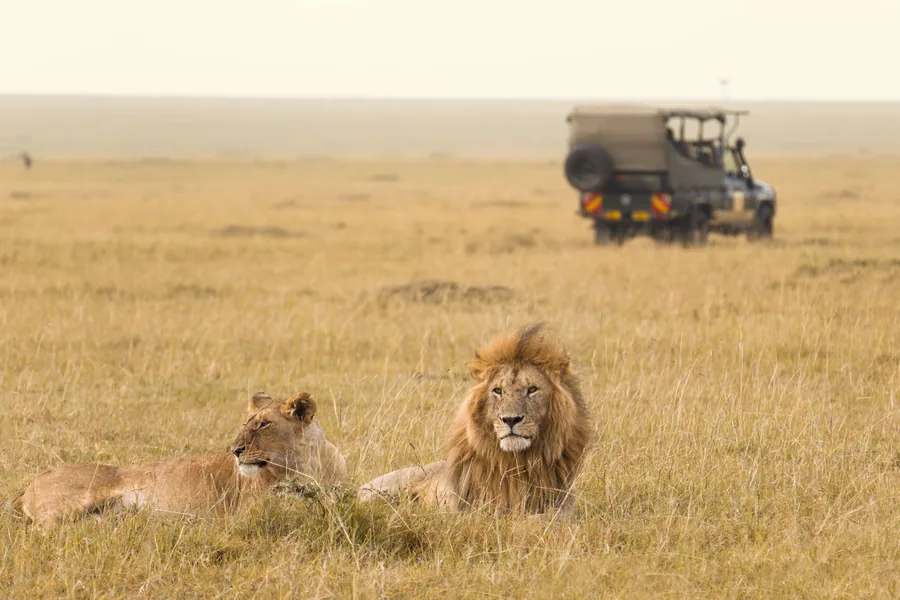
Both countries offer exceptional wildlife. Kenya uniquely offers Samburu's 'Special Five' (reticulated giraffe, Grevy's zebra, Beisa oryx, gerenuk, Somali ostrich) — species not found in Tanzania. Kenya's private conservancies adjacent to the Mara offer night drives and off-road driving not permitted in national parks. Tanzania counters with the Ngorongoro Crater — a 260 km² caldera with the highest wildlife density on Earth — and the remote Nyerere National Park, one of Africa's largest protected areas.
Infrastructure & Accessibility
Kenya has a slight edge in safari infrastructure, particularly around Nairobi, which functions as a major East African hub. Internal flights from Nairobi to safari destinations like the Mara and Samburu are frequent, reliable, and relatively affordable. For first-time safari travellers, Kenya's logistics tend to be slightly simpler to navigate. Both countries are politically stable with well-established tourism industries and strong guide training standards.
"If you have 10 days or more, combine both. If you have a week, choose based solely on which month you're travelling."
— Elabush Head Guide
Our Verdict
Choose Kenya if you want: the most iconic river crossings (August–October), the unique Samburu Special Five, excellent value, and strong infrastructure. Choose Tanzania if you want: the Ngorongoro Crater experience, calving season (January–March), the remote Nyerere wilderness, or Zanzibar as a post-safari beach extension. Choose both if you have 10+ days and want the most comprehensive East Africa safari experience possible.
Plan Your East Africa Safari
Whether you choose Kenya, Tanzania, or both — our team can build your dream safari itinerary.
Talk to Our Safari Experts →Topics
Visual Journal
Photo Gallery


Quick answers about this safari topic
Continue Reading
Related Articles


Your Adventure Awaits
Ready to Experience Kenya for Yourself?
Let our expert team craft a personalised itinerary tailored to your interests, travel dates, and budget.