
Amboseli in the Dry Season: Why Less is More
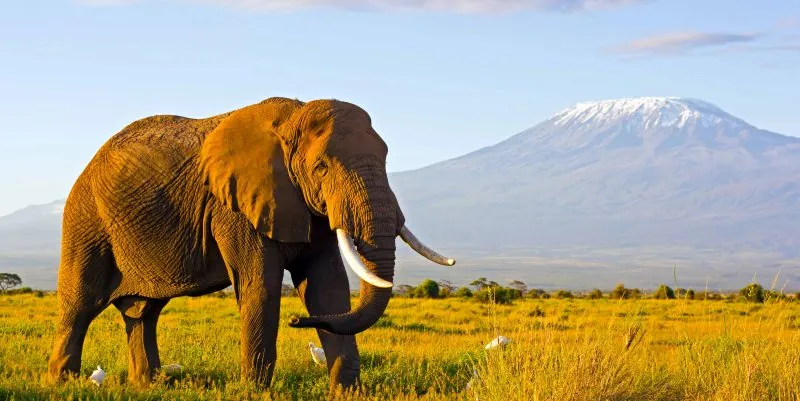
Amboseli National Park is famous for two things: the world's largest free-ranging elephants and the most iconic view in Africa — Mount Kilimanjaro rising snow-capped above the savannah. In the dry season, roughly June through October, both elements come together in ways that are almost impossibly photogenic.
Why the Dry Season Wins
As the rains retreat and the vegetation dries, the permanent swamps fed by Kilimanjaro's underground melt water become the sole reliable water source across the park. Thousands of animals — elephants in herds of fifty or more, buffalo, zebra, wildebeest, and giraffe — converge on these marshes daily. The result is game viewing of extraordinary density and intimacy. You do not need to search; the wildlife comes to the water.
The sparse, golden dry-season grass also means no tall vegetation to obstruct sightlines. Predators are visible from far greater distances, making cheetah and lion sightings — already reliable in Amboseli — even more accessible. The dust itself, while initially something of a nuisance, creates spectacular atmospheric hazes at dawn and dusk that elevate photography to another level entirely.
Plan Around Kenya's Seasons
Amboseli is just one of many parks that transforms in the dry season. Our seasonal guide covers all key parks.
Read: Best Time to Visit Kenya →Kilimanjaro: Timing Your Views
Kilimanjaro is a notoriously capricious subject — cloud typically builds around the summit by mid-morning and does not clear until late afternoon. The golden rule is to be out at first light: the mountain is most reliably clear between 6:00 am and 9:00 am, and the combination of early light, a clear summit, and elephants in the foreground is what every Amboseli photographer chases. Our guides know exactly which waterholes and open plains deliver the best foreground compositions.
A well-planned Amboseli itinerary needs a minimum of three nights to do justice to both the wildlife and the landscape. We recommend arriving the evening before your first full day so your first morning game drive starts at first light. The reward — elephants silhouetted against a snow-capped Kilimanjaro at sunrise — is one of the greatest sights in the natural world.
Topics
Visual Journal
Photo Gallery



Quick answers about this safari topic
Continue Reading
Related Articles


Your Adventure Awaits
Ready to Experience Kenya for Yourself?
Let our expert team craft a personalised itinerary tailored to your interests, travel dates, and budget.